

Within the current digital age, online reputation holds a vital role in the success of any business. As buy google review depending heavily on reviews to make knowledgeable decisions, the burden to maintain a favorable online image can be daunting. This has led some businesses to think about acquiring Google reviews as a quick fix to improve their credibility and gain more customers. However, this strategy comes with its own set of risks and ethical dilemmas that every business owner should thoughtfully evaluate.
Prior to jumping on the bandwagon of buying reviews, it is important to comprehend the consequences of such actions. Although some may argue that buying reviews can offer a short-term boost in visibility, the long-term consequences could threaten a company's reputation and credibility. In this article, we will explore the benefits and drawbacks of buying Google reviews, the potential influence on online reputation, and the legal ramifications that accompany this practice. Through a more profound understanding of these factors, businesses can make informed decisions that focus on genuine growth and sustainable relationships with their customers.
Grasping the Dangers of Buying Google Reviews
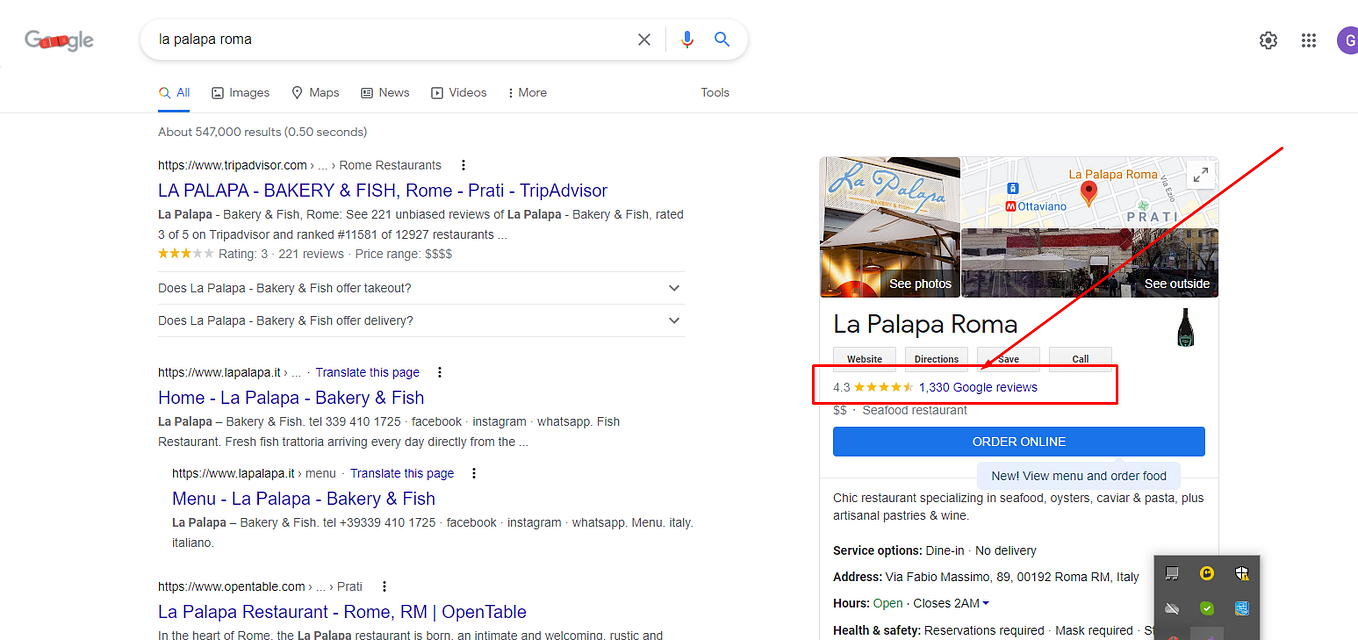
Purchasing Google reviews may seem like a rapid fix to enhance your company's online presence, but it comes with significant risks that can outweigh any potential benefits. One primary risk is the likelihood of facing penalties from Google. The company has strict guidelines against falsifying reviews, and involvement in such practices can lead to serious consequences, including the deletion of your reviews and the suspension of your Google My Business account. This could greatly hinder your ability to attract new customers and harm your credibility.
Another vital risk is the effect on customer trust. When consumers find out that a business has bought reviews, it can lead to feelings of betrayal and skepticism about the genuineness of other reviews. Trust is a bedrock of customer relationships, and once shattered, it can be extremely challenging to regain. Negative word-of-mouth can spread rapidly, further deteriorating your business’s reputation in both online and offline settings.
Finally, there are ethical considerations involved in purchasing reviews. Many consumers appreciate transparency and honesty, and participating in unethical practices can hurt your business in the long run. The focus on immediate gains rather than cultivating genuine relationships with customers can ultimately lead to a lack of loyalty and a poor reputation. Investing in genuine interactions and quality service will always yield more enduring growth than turning to misleading tactics.
The Influence on Online Credibility and Trust
Any decision to purchase Google reviews can have significant consequences on a business's online reputation. Although a increase in favorable reviews might seem advantageous, the genuineness of these reviews often comes into question. When clients or prospective clients discover that a company has purchased reviews, it can result to a drastic decline in trust. This erosion of trust is hard to recover from and may prompt customers to turn clear of a business, preferring competitors with genuine feedback instead.
Additionally, customer trust is a critical element in establishing a loyal clientele. When buying reviews, a company jeopardizes estranging its core audience. Customers increasingly appreciate openness and honesty in companies they choose to engage with. A reputation tainted by dishonesty can damage not just the business but also its brand identity in the long term. The first boost in assumed credibility can rapidly turn to cynicism, as consumers grow wary of the truthfulness of the reviews.
Additionally, the frequency and nature of online interactions influence a business's reputation over time. Buying reviews may provide short-term gains, but they fail to foster authentic engagement with customers. Authentic experiences, whether good or negative, are critical in guiding prospective clientele toward wise decisions. Instead of spending in purchased reviews, focusing on genuine customer experiences can result in a stronger, more reliable online presence that encourages organic growth and fosters lasting relationships.
Legal and Moral Consequences
The practice of buying Google reviews raises serious juridical concerns. Many nations have consumer protection laws that forbid misleading advertising and deceptive business practices. When businesses pay for favorable reviews, they may be breaking these laws, which can lead to penalties, fines, or even lawsuits. Additionally, platforms like Google have rigorous policies against fake reviews, and businesses found engaging in this practice can face account suspension or removal from search results.
From an ethical perspective, purchasing reviews compromises the integrity of online feedback systems. Authentic customer reviews are meant to provide genuine insights into products and services, helping other consumers in their decision-making choices. When businesses purchase reviews, they alter this landscape, misleading potential customers and eroding trust in the review system overall. This can create a domino effect, where customers become increasingly skeptical of reviews and ratings, making it more difficult for honorable businesses to connect with their audience.
Furthermore, the long-term consequences of buying reviews can be detrimental to a brand's reputation. If https://writeablog.net/buyinggooglereviews528/the-debate-of-ethics-and-excellence-the-justification-of-acquiring-reviews find out that a business has turned to buying reviews, it can harm trust and loyalty. Adverse publicity resulting from such a revelation can overshadow any short-term gains gained through inflated ratings. It is essential for businesses to consider the immediate benefits against the potential for enduring harm to their reputation and customer relationships.